Home Window Tinting: Benefits, Types, Tips
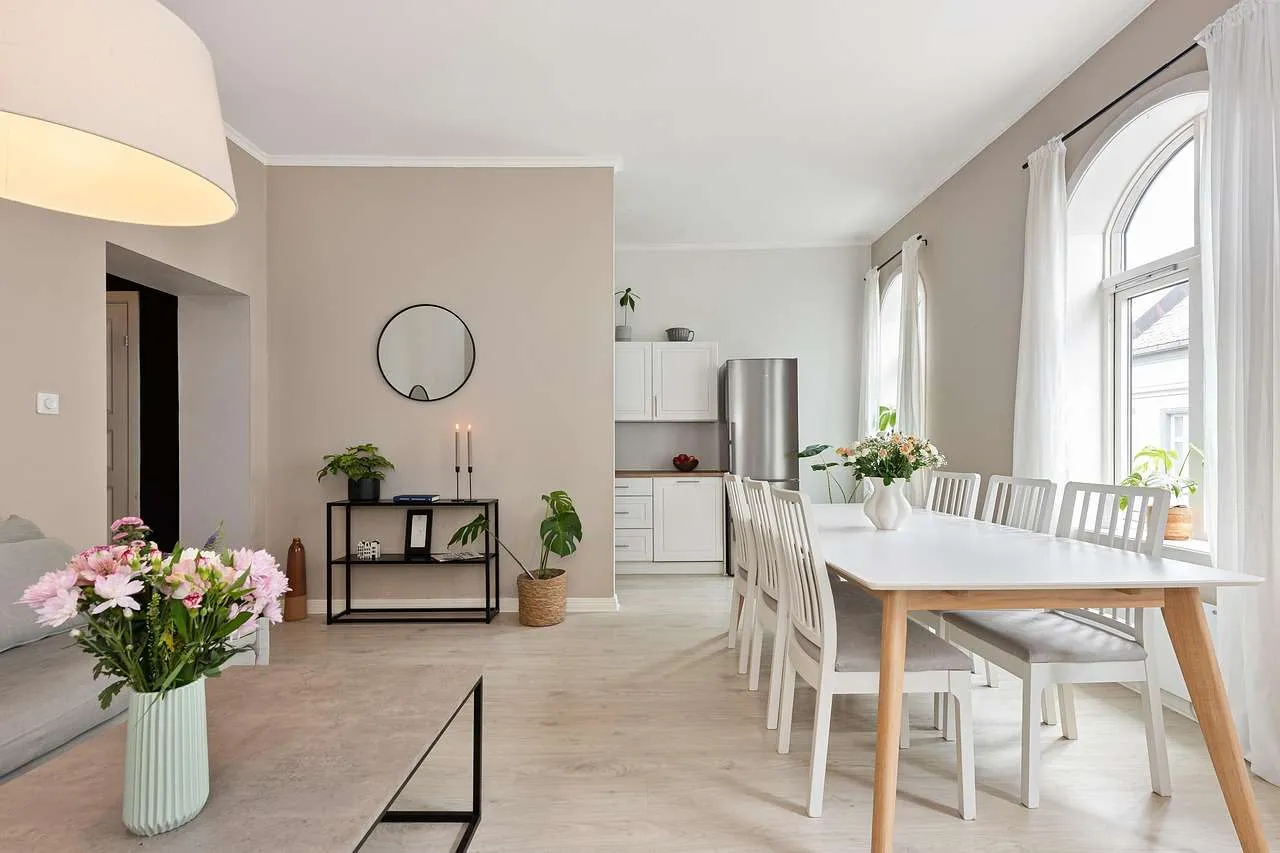
Home window tinting is a practical upgrade that improves comfort, reduces energy use, and protects interiors from UV damage. Whether you own a new home or an established residence, selecting the right tint film and a qualified installer matters for results that last for years.
What is home window tinting?
Window tinting uses a thin film applied to interior or exterior glass to control heat, light, and glare. Modern films are designed to be durable, non-conductive, and highly resistant to fading, making them a long-term investment in home performance.
Benefits of home window tinting
- Energy efficiency: Reduces solar heat gain, lowering cooling costs.
- UV protection: Blocks up to 99% of harmful UV rays to protect furniture and skin.
- Glare reduction: Improves comfort for screens and daylighting.
- Privacy and aesthetics: Creates a subtle or strong exterior look depending on film choice.
- Safety and security: Laminated or thicker films provide an extra barrier during impacts.
Types of window tint for homes
Dyed window film
Dyed films add color and reduce glare but may fade over time and offer moderate heat rejection.
Metalized window film
Metalized films reflect heat but can interfere with electronics and are more prone to fingerprinting; modern variants reduce this issue.
Ceramic window film
Ceramic films offer top heat rejection, excellent optical clarity, and are non-conductive, making them a popular choice for performance and safety.
Carbon window film
Carbon films minimize reflectivity and provide strong heat rejection with a rich, non-glossy appearance.
Hybrid window film
Hybrid combines dye and metal or ceramic properties for balanced performance and cost.
Choosing the right tint for your home
Consider climate, orientation, lot shading, and the desired level of privacy. Local building codes and HOA rules may regulate allowable reflectivity or tint darkness. Request Visible Light Transmission (VLT) percentages from installers to balance daylight with heat control. For homes with large south-facing glass, higher-performance ceramic or carbon films may deliver the best ROI.
Professional installation vs DIY
Professional installation ensures proper cleaning, precise cuts, and warranties. DIY kits exist, but improper installation can cause bubbling, edge lifting, or reduced lifespan. A licensed installer also helps with documentation for warranties and compliance with local regulations.
Maintenance and warranties
Glass films are relatively low-maintenance: clean with non-abrasive glass cleaners and soft cloths. Avoid ammonia-based cleaners on tinted surfaces. Warranties typically cover hardware and film delamination for 5–15 years, depending on the brand and film type. Ask about warranty transferability if you sell the home.
Comparison of common home window tint types
| Tint Type | Heat Rejection | UV Rejection | Durability | Privacy | Approx. Cost | Install |
|---|---|---|---|---|---|---|
| Dyed | Medium | High | Moderate | Low–Medium | Low–Medium | Easy |
| Metalized | High | High | High | Medium | Medium–High | Moderate |
| Ceramic | Very High | Very High | Very Durable | Medium | High | Moderate |
| Carbon | High | High | High | Medium | Medium–High | Moderate |
| Hybrid | High | High | High | Medium | Medium | Easy–Moderate |
Costs and return on investment
Typical installation costs vary by film type, glass size, and region. A rough range often seen is $5–$15 per square foot for residential window tinting, with ceramic and carbon films at the higher end. ROI comes from energy savings, extended interior life, and increased comfort, typically over 5–10 years depending on climate and energy costs.
Maintenance, warranties, and finding an installer
Choose a licensed, insured installer with recent projects and customer reviews. Ask to see a sample of the film and a written warranty covering both the film and installation. A reputable pro will discuss local codes, privacy needs, reflectivity limits, and installation timing to minimize disruption.
Conclusion: By understanding the film options, climate considerations, and proper installation practices, home window tinting can deliver meaningful energy savings, better interior comfort, and lasting value for any home.
Summary: Home window tinting offers energy savings, UV protection, privacy, and durability. By selecting the right film type, ensuring professional installation, and considering local regulations, homeowners maximize comfort and value while protecting interior furnishings.